
Mobile Home Park Tenant Screening: Background Checks for Residents
Park owners screen applicants to protect the residents they already have. Our mobile home park tenant screening report shows the records that predict a good tenant, for $45.
Criminal, sex offender, bankruptcy, eviction, lien and judgment records, usually within 24 hours. No credit score, and we explain why below.
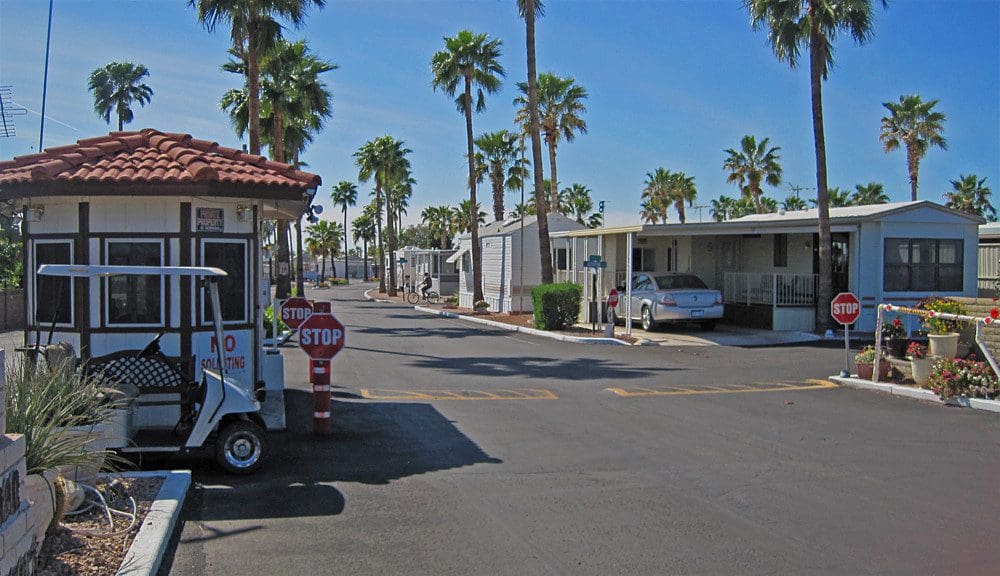
Fair housing applies to parks: Screen every applicant by the same written standard. Then, judge each record on its own, not by a blanket rule.
Why Mobile Home Park Tenant Screening Works Better Without a Credit Score
Many park residents are retirees. They paid off their homes years ago and no longer carry card balances. Consequently, their credit files are thin, and a thin file produces a low or missing score.
Others pay everything in cash. They have no credit history at all. However, they pay their lot rent on the first of every month.
A score, therefore, can mislead an owner into rejecting a reliable payer. In contrast, public records show what an applicant has done: evictions, judgments, liens, bankruptcies and crimes.
For that reason, our report is built on those records and leaves the score out. If your park requires a credit report, we can add one as a separate item.
What the Mobile Home Park Tenant Screening Report Includes
One order, one price. Our researchers search evictions, judgments and liens by hand under every name and address in the applicant’s history. Then, the database searches fill in the rest.

Criminal database search
Nationwide criminal database searched under the applicant’s name, aliases and former names.

Identity and address history
SSN and address trace that supplies every name and address we search under.
Sex offender and Patriot Act
National sex offender registry and the OFAC sanctions list.

Bankruptcy filings
Federal bankruptcy court search by SSN and all known names.

Evictions
Landlord-tenant judgments searched by hand under every name and prior address.

Tax liens and judgments
Civil judgments and federal and state tax liens, searched by hand.
Price: $45 per applicant. Turnaround: 24 hours or less for most reports. Court fees, where a county charges them, are extra.
Mobile Home Park Tenant Screening: Sample Report
The applicant below applied under a married name. However, every record sat under the maiden name, which the address trace found. That is why the trace comes first.
Tenant Background Check
Sample report · fictitious applicant
Summary flags: Criminal: Yes · Sex offender: No · Bankruptcy: Yes · Eviction: Yes · Liens and judgments: Yes
Identity
Applicant applied under a married name. The trace found a maiden name and three prior addresses, and every record below sits under the maiden name.
Criminal database search
Two records. First, a 2014 misdemeanor cannabis possession, adjudication withheld. Second, a 2018 felony battery on a law enforcement officer, adjudicated guilty, probation ordered.
Sex offender registry
No records found.
USA Patriot Act (OFAC)
No records found.
Bankruptcy filings
Chapter 7 case filed and discharged in 2012, no assets, standard discharge.
Evictions
Georgia landlord-tenant judgment, 2018, $2,300.00 in favor of an apartment complex.
Tax liens and judgments
Civil judgment of $798.00 (2016) and a federal tax lien of $9,082.00 (2016).
Open the PDF version of the sample report for the full layout.
A court can plead down, seal or expunge a criminal record after the database copied it. Therefore, confirm any hit at the county courthouse before you act on it.
How to Screen a Mobile Home Park Applicant
Four steps keep your park safe and your process defensible. Importantly, they follow HUD’s 2024 best practices and the FCRA.
- 1
Publish your written criteria
Decide in advance which records matter for your park and how far back you look. Give the standard to every applicant before they apply, as HUD recommends.
- 2
Get consent and order the report
Have the applicant sign a disclosure and authorization. Then, order the $45 package from your account. Most reports return within 24 hours.
- 3
Review each record on its own
Weigh the nature of the offense, its age and its relevance to tenancy. Verify any database criminal hit at the county court before you rely on it.
- 4
Decide, then give notice
If you decline, send the FCRA adverse action notice. Additionally, tell the applicant which standard they missed and give them a chance to respond.
Fair Housing and FCRA Rules for Park Owners
Three sets of rules shape tenant screening in a park. Here they are in plain language, with links to the primary sources.
Fair Housing Act
Title VIII of the Civil Rights Act of 1968 (the Fair Housing Act) bars discrimination in rental housing. It covers mobile home and RV parks. Screening that treats protected groups differently violates it.
Additionally, a neutral rule can violate the Act if it has an unjustified discriminatory effect. Blanket criminal bans are the usual example.
HUD 2024 guidance
HUD’s screening guidance of April 29, 2024 asks providers to use only relevant criteria and limit lookback periods. It also says to ignore arrests without conviction and weigh each record individually.
It also asks you to publish your criteria, give applicants the records you relied on, and let them respond.
FCRA and state law
The FCRA covers tenant reports. You need a permissible purpose, and a denial requires an adverse action notice (FTC guide for landlords).
State landlord-tenant laws often cap screening fees at your actual cost. Some also limit lookback periods or the use of eviction records.
Mobile Home Park Tenant Screening: Frequently Asked Questions
What does mobile home park tenant screening include?
Our package searches six record types for one price. They are the criminal database, sex offender registry, OFAC list, federal bankruptcies, evictions, and liens and judgments. Additionally, an SSN and address history trace supplies the names and addresses we search under. The price is $45 per applicant, and most reports return within 24 hours.
Why does the report leave out a credit score?
Many park residents are retirees or cash payers with little recent credit activity. A thin file produces a low or missing score that says nothing about rent. Moreover, HUD’s 2024 guidance warns that overreliance on credit history poses a discriminatory-effect risk. Therefore, we report the public records that predict tenancy and leave the score out.
Can I order a credit report if my park requires one?
Yes, as a separate item. Tell us when you open your account, because credit bureaus require an on-site inspection and extra paperwork for landlords. However, HUD recommends that you limit credit screening to cases where financial history matters. It also asks you to accept other proof of ability to pay.
How long does the report take?
Usually 24 hours or less. The database searches return within hours. Evictions, judgments and liens take longer. We search them by hand under every name and address in the applicant’s history. Consequently, the full report normally lands the next business day.
Is a database criminal record enough to deny an applicant?
No. Database records can be out of date, pleaded down, sealed or expunged. Therefore, confirm any hit with a county criminal court search before you rely on it. HUD also asks you to weigh the nature of the offense, its age, and its relation to tenancy.
Does the Fair Housing Act apply to a mobile home park?
Yes. The Fair Housing Act covers mobile home parks, RV parks and manufactured housing communities like any other rental housing. Screen every applicant by the same written standard. Furthermore, blanket bans on anyone with a criminal record are likely to have an unjustified discriminatory effect, according to HUD.
What do I have to do if I turn an applicant down?
Under the FCRA, you must send an adverse action notice. It names the screening company and states that the company did not make the decision. It also explains the right to a free copy of the report and to dispute it. HUD further recommends that you state which standard the applicant missed and let them respond.
Can I charge the applicant for the screening?
In most states, yes, but limits apply. Many landlord-tenant laws cap the fee at your actual cost, or at the customary local charge for screening. Some states also cap the dollar amount or require an itemized receipt. Check your state’s rule before you set the fee.
Protect Your Park. Screen Every Applicant the Same Way.
Open your free account with BCS Background Screening LLC in minutes. Then, pay $45 per applicant, with no setup fee and no monthly minimum.
All user accounts offer optional Multiple Authentication Factor (MAF) security.
Disclaimer: This page offers general information, not legal advice. Fair housing, FCRA and state landlord-tenant rules change, so consult legal counsel before you set screening criteria. The sample report shows a fictitious applicant. Database records stay unverified until the source confirms them.